Screens late, foggy mornings, never rested
Your sleep debt is showing up in your blood
110 biomarkers tested · 450 labs in Europe
Test my Cortisol ResponseSounds familiar ?
Even if it can seem normal, these needs to be looked at
Screen time before bed is sabotaging your sleep. I'm scrolling in bed and suddenly it's 1am. Even when I'm exhausted I can't fall asleep, I wake up feeling terrible.
Signals we commonly see when measuring
Your pattern, at a glance
Sleep averaging 6h 10min · Sleep latency 45+ minutes
Screen time 2+ hours before bed
CAR blunted · HbA1c ↑ · CRP ↑ · Testosterone ↓

How blood testing brings clarity
Consistently short sleep affects glucose regulation, inflammation levels, and hormone production. Blood tests reveal metabolic impact of poor sleep patterns.
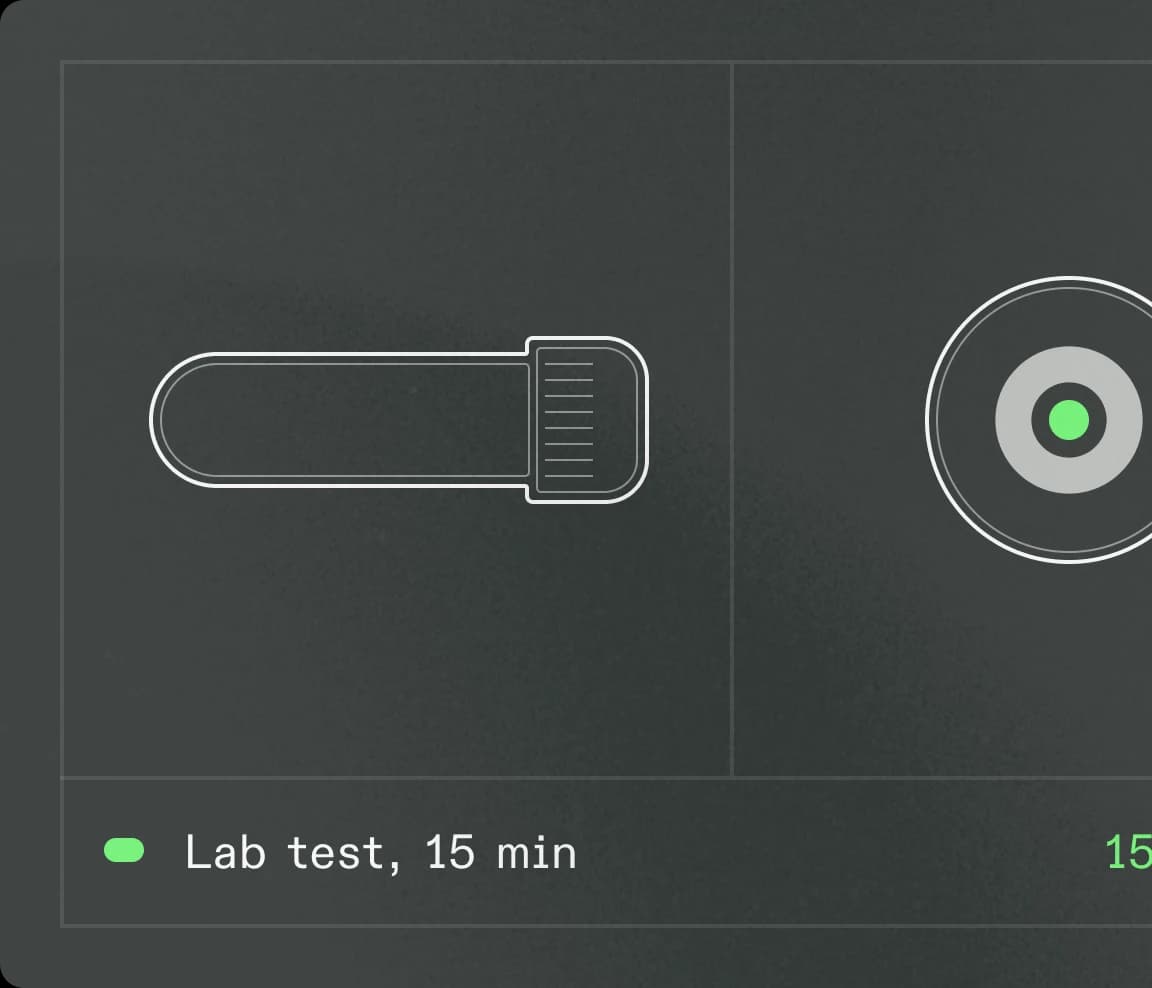
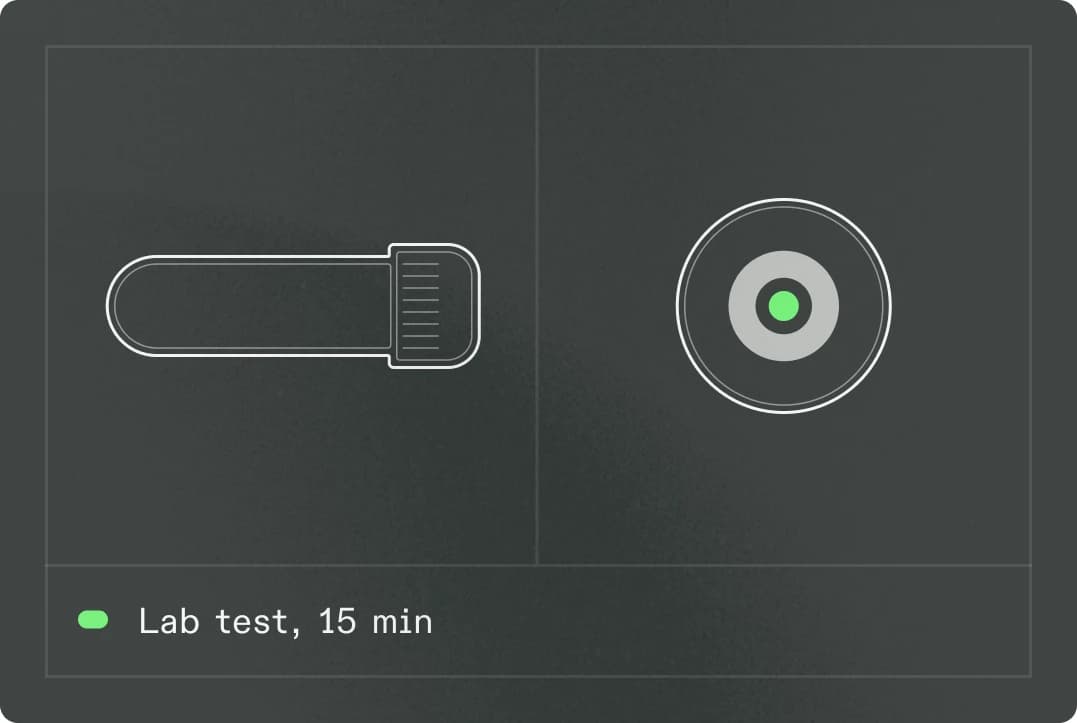
How it works
Measure your body systems
Through a comprehensive blood draw in one of our partner labs, we measure 60+ to 110+ biomarkers across body systems and reveal exactly where you stand for each

Get personalized actions
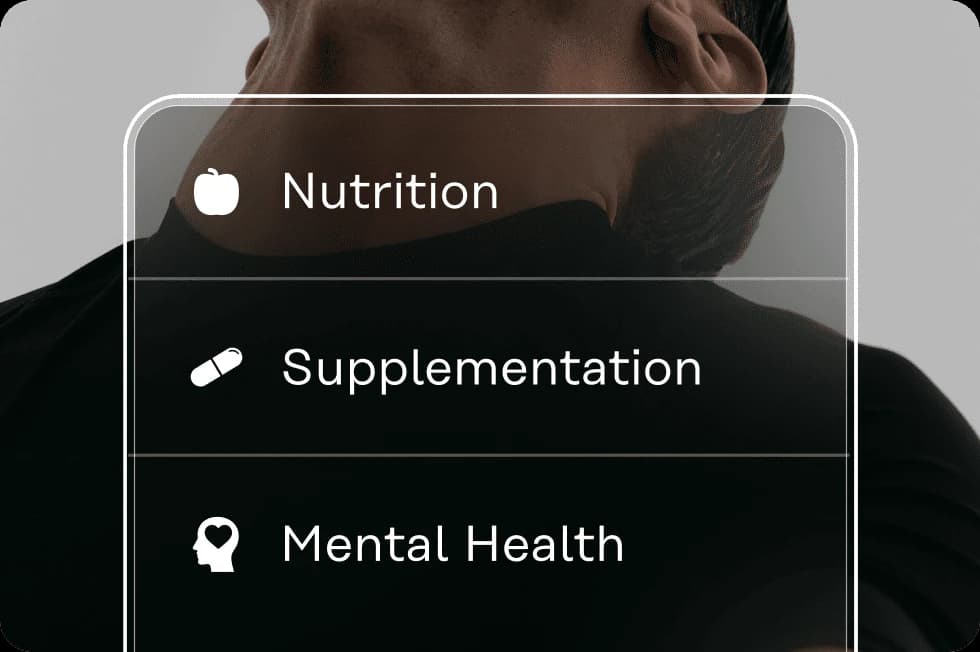
Your biomarkers unlock a personalized protocol with evidence-based actions tailored to your exact health data for measurable outcomes
Improve and re-test
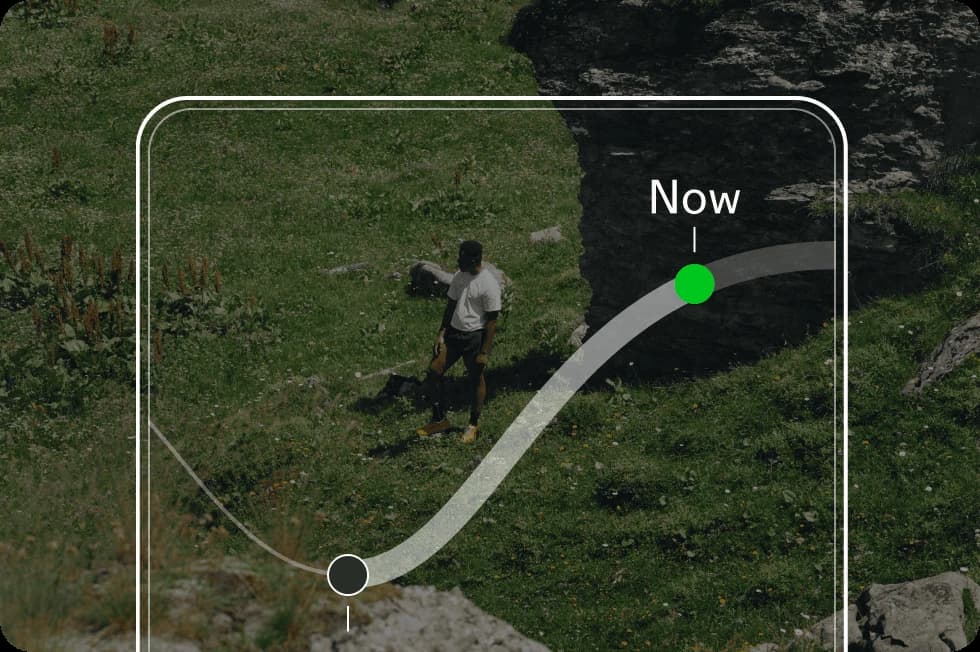
Track then retest within 3-6 months to validate your progress, see which actions worked, and continuously optimize your health for better healthspan
Whats happening biologically
Screen time before bed doesn't just delay sleep. It disrupts hormones, raises glucose, increases inflammation, and lowers testosterone. Blood tests reveal the metabolic price you're paying for those late-night scrolling sessions.
CAR (Cortisol Awakening Response): Your blunted morning engine
CAR measures how cortisol rises in the first 30-60 minutes after waking. Normally, cortisol should surge in the morning to give you energy and alertness. But when you're scrolling until 1am and sleeping only 6 hours, your cortisol rhythm gets blunted. The morning surge flattens or disappears. You wake up feeling terrible because your body's natural energizer isn't kicking in.
When CAR becomes blunted, it shows chronic insufficient sleep has disrupted your stress hormone rhythm. Your body can't mount the morning cortisol response it needs. Meanwhile, HbA1c rises because short sleep impairs glucose regulation. CRP increases because insufficient sleep triggers inflammation. Testosterone drops because production peaks during deep sleep you're not getting. Everything is interconnected through the same root cause: screen time sabotaging your sleep.
Key insight: Late-night screen time doesn't just make you tired. It creates a hormonal cascade that affects glucose control, inflammation, testosterone production, and morning energy. The metabolic damage compounds night after night.
Bottom line: Sleep disruption reveals how screen habits affect cortisol rhythm, glucose regulation, inflammation levels, and hormone production. At Lucis, we measure CAR, HbA1c, CRP, and testosterone. Not just whether you're sleep deprived, but whether your habits are creating measurable metabolic consequences.
Learn about your biology with Lucis
Test 110+ biomarkers and get a 360° understanding of your body








Lucis newsletter
Curated knowledge, delivered weekly
Our experts make biology simple across 20+ topics.