
Recovery 2/2: Practical Strategies for Sustainable Progress
Train hard, recover smarter. Here's the full playbook.
Table of contents
In the first part, we laid the foundations of recovery.
Recovery is the physiological response that restores internal balance and transforms training stimulus into adaptation. Each type of effort taxes different systems, and recovery is an active process that requires specific resources: energy, sleep, stress management.
Now, we move to application.
This article provides practical strategies to plan your recovery as you plan your training.
We will cover:
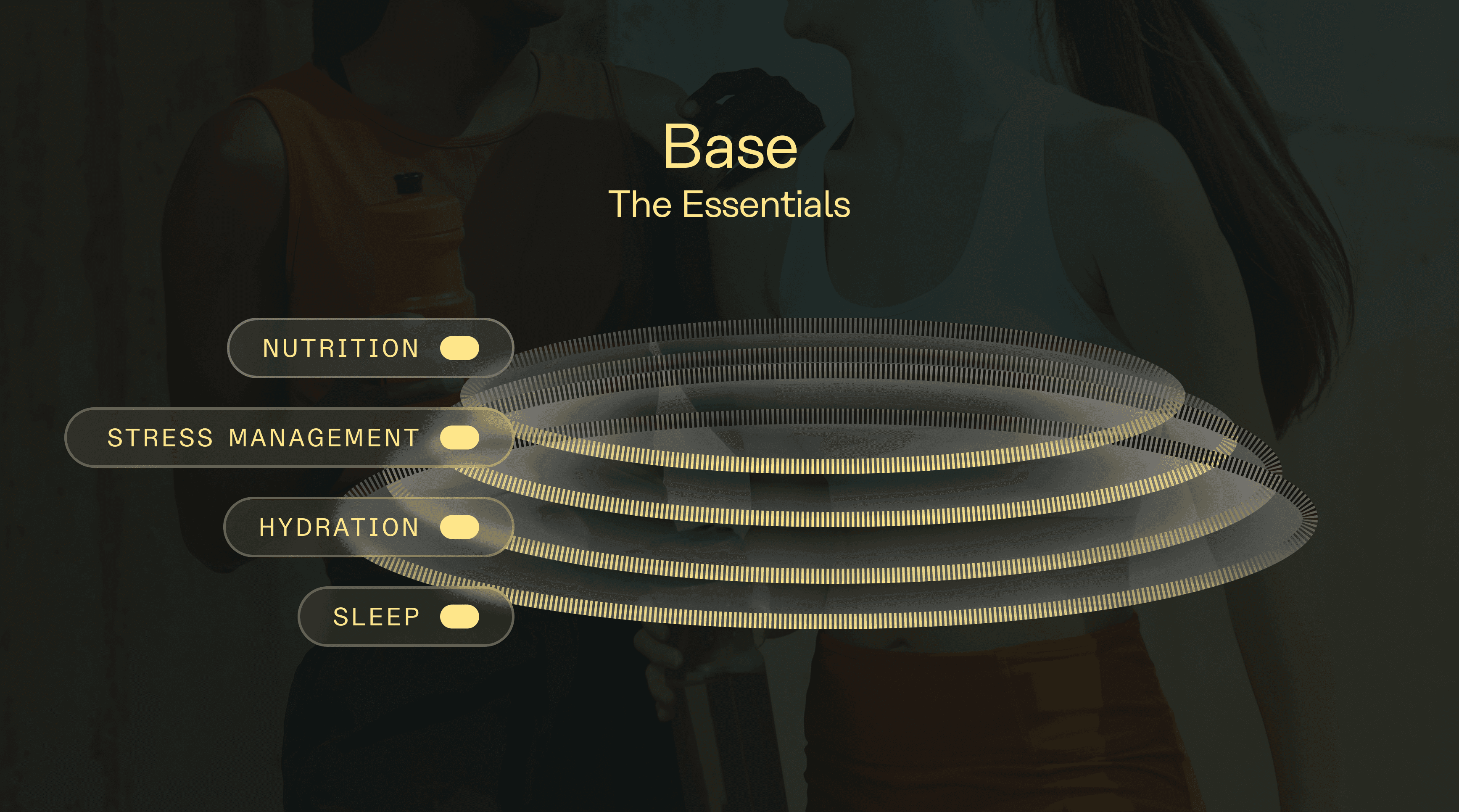
The fundamentals of recovery: post-workout nutrition, hydration, stress management
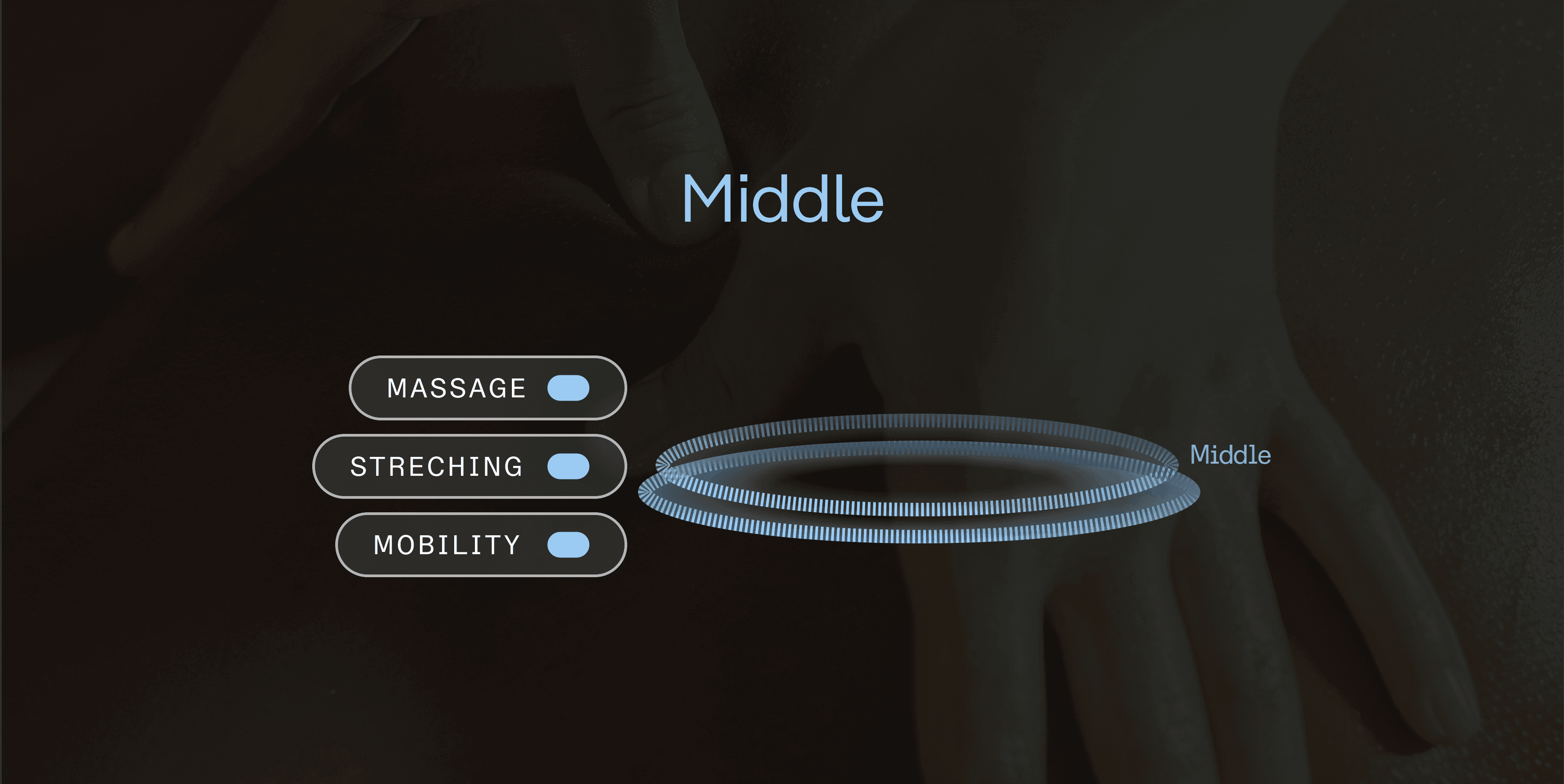
Intermediate tools: active vs passive recovery, mobility and body maintenance
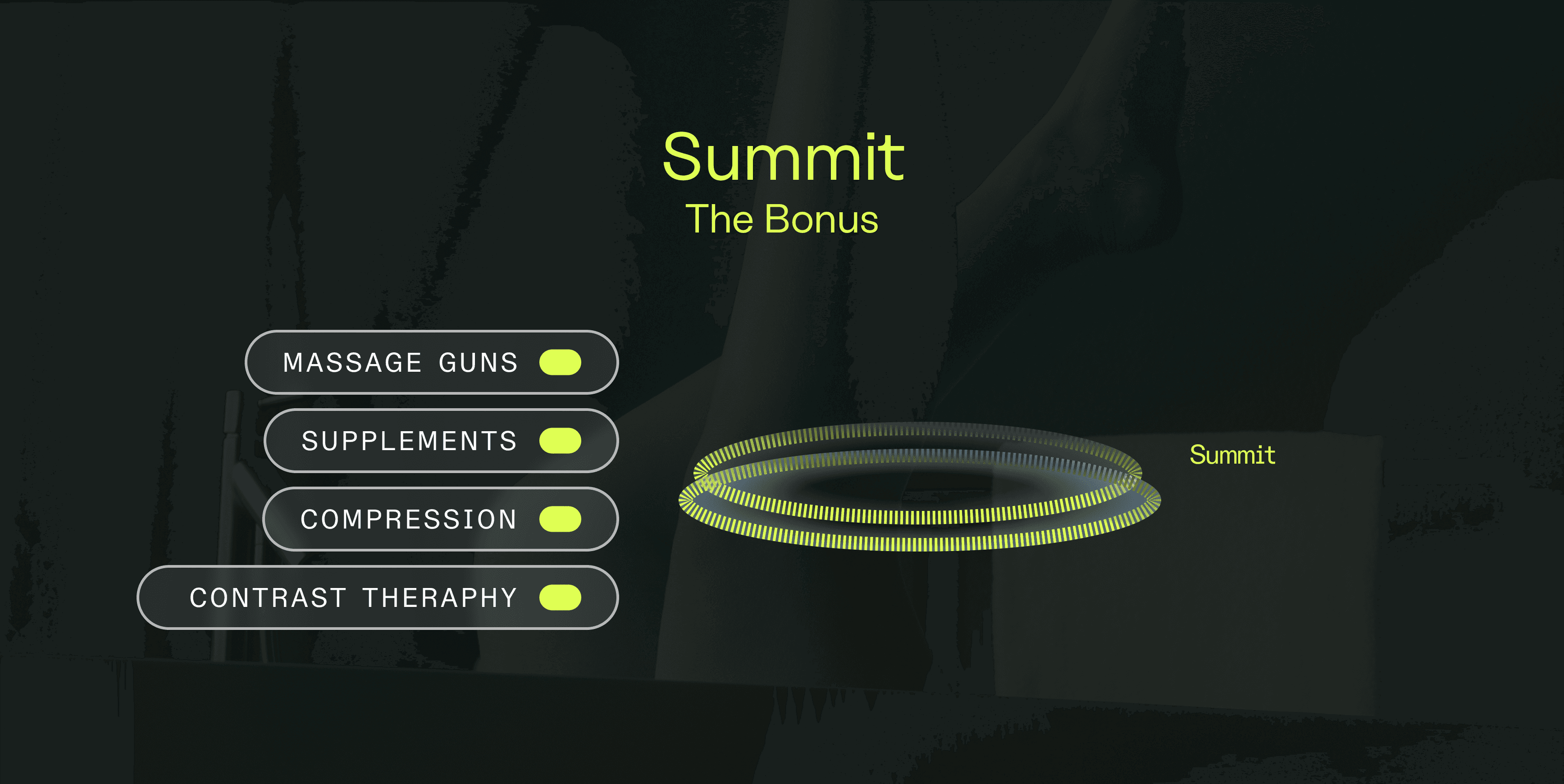
Advanced techniques: sauna, cold, compression
Listen and measure: how to track your signals to adjust
Let's begin.
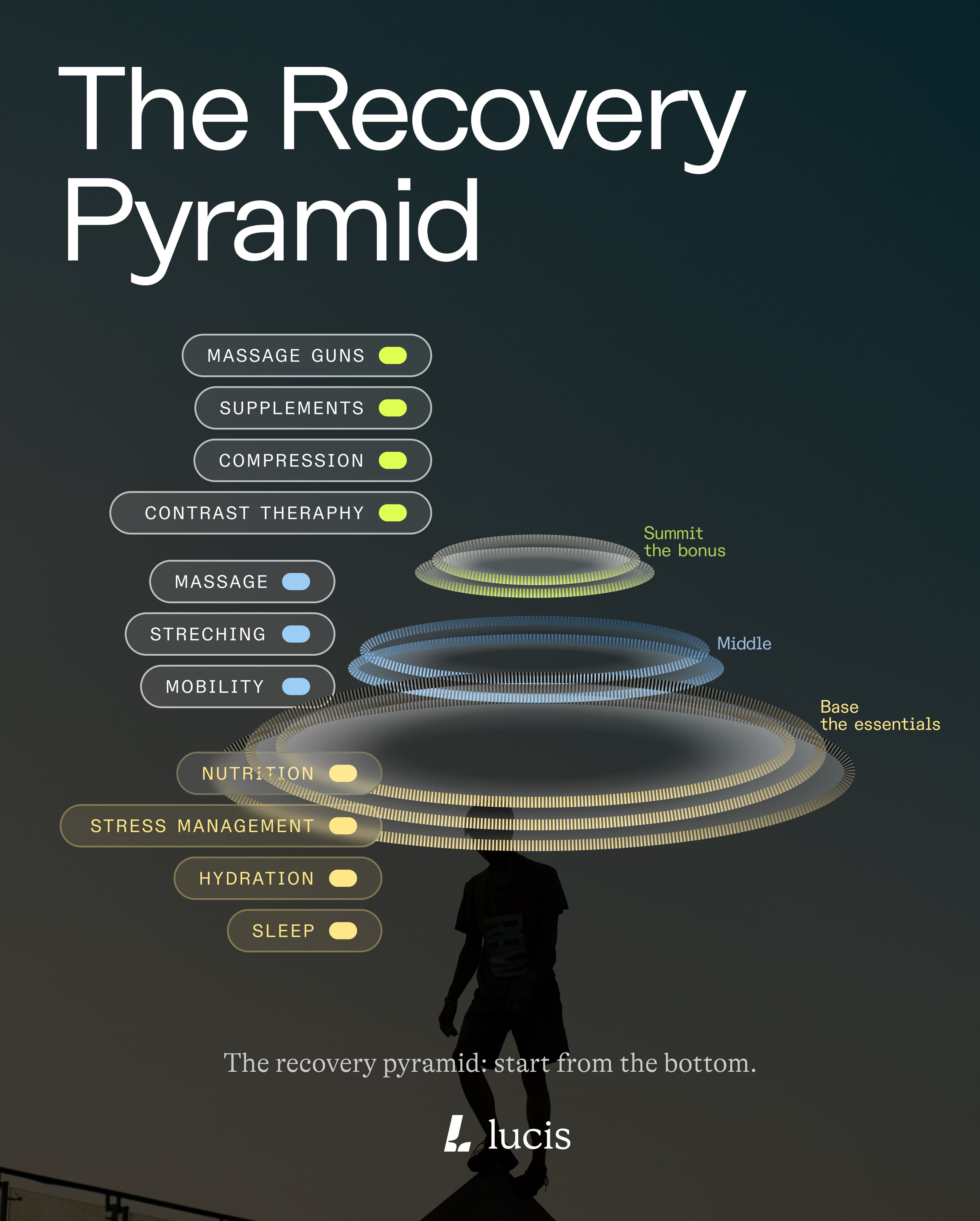
EN_THE RECOVERY_PYRAMID
1. THE FUNDAMENTALS: THE BASE OF THE PYRAMID
EN_Newsletter #2 Récupération03-1
A. Post-workout nutrition: restore and rebuild
After a session, your body must accomplish two tasks:
Replenish energy stores, especially glycogen if the effort was intense or long.
Repair and remodel tissues, via proteins, micronutrients, and sufficient energy intake.
The principle: the more intense, long, or metabolically demanding the effort (HIIT, intervals, CrossFit), the higher the energy cost. The more mechanically demanding the effort (heavy loads, impacts, eccentric), the greater the tissue repair demand. Post-workout nutrition is calibrated to the type of stress imposed.
The post-workout "window": what's actually useful
For a long time, we talked about a very short window. In reality, it's mainly a matter of context:
If you haven't eaten for several hours, or if you have another session within 24 hours (especially same day), the post-workout meal becomes a priority.
If you ate 2-3h before, no urgency: what matters is structuring a complete intake in the hours that follow.
Practical conclusion: aim for within 2h post-workout a complete meal (or structured snack if the meal is later).
Proteins: the building blocks
Objective: support muscle protein synthesis, repair micro-lesions, and promote adaptation.
Useful guideline: ~20-40g of high-quality protein after the session (depending on size and session), then a consistent daily total (~1.6-2.2 g/kg/day).
Priority sources:
Meat, fish, eggs
Dairy products (cottage cheese, Greek yogurt, whey)
Legumes + grains (or tofu/tempeh if plant-based)
Carbohydrates: restore glycogen
Objective: replenish muscle and liver glycogen stores.
Carbohydrates are particularly important after glycogen-depleting sessions: HIIT, intervals, metcon, long endurance, or high weekly volume.
Practical guidelines:
Prioritize carbs within 2h if intense/long session or if another session is coming soon
Throughout the day: adjust according to volume (~3-5 g/kg/day baseline, more if high volume)
Favor whole sources that you digest well: rice, pasta, sweet potatoes, potatoes, fruits, quinoa.
Reminder: if you're in chronic deficit, recovery slows down. Total energy matters as much as quality.
Hydration: recovering session after session
Hydration determines your training tolerance and your ability to repeat quality sessions.
Simple guidelines:
Pale yellow urine: hydration generally good
Repeatedly dark urine: hydration needs improvement
After a session (especially heat / heavy sweating): water + electrolytes, primarily sodium, adjusted to your sweat rate.
Modulating inflammation: supporting adaptation
Post-workout inflammation is normal and useful. The problem is excessive or persistent inflammation that slows recovery.
Simple approach: increase nutrient density and intake of anti-oxidant / anti-inflammatory compounds through food:
Fatty fish (EPA/DHA) 2-3x/week
Colorful fruits and vegetables (polyphenols/antioxidants)
Spices (turmeric, ginger)
Green tea / cacao ≥70% (polyphenols)
B. Stress management: activating recovery mode
Recovery depends on your ability to leave "action/alert" mode (sympathetic) to activate "rest/repair" mode (parasympathetic).
Total load matters as much as training load. An amateur athlete juggling 10h training, 50h stressful work, 6h sleep, and family responsibilities doesn't recover like an athlete who sleeps 9h and focuses solely on training.
Simple tools to integrate:
Heart rate coherence (5 min, 2-3x/day): supports nervous system regulation and return to calm.
Nature walk (20-30 min/day): reduces overstimulation, promotes cognitive disconnection.
Conscious breathing (2-5 min): useful post-workout or before bed to wind down.
2. THE MIDDLE OF THE PYRAMID: MOBILITY, MASSAGE, ACTIVE RECOVERY
EN_Newsletter #2 Récupération03-2
Once the fundamentals are in place, these tools improve recovery quality between sessions.
These levers help:
Reduce mechanical cost of subsequent training
Maintain movement quality
Limit accumulation of tension and recurring pain
A. Active vs passive recovery
Passive recovery = complete rest. It becomes a priority when the body is overloaded: poor sleep, persistent fatigue, performance decline, recurring pain.
Active recovery = very easy movement, aimed at promoting return to calm without adding stress.
What it can do:
Improve circulation
Reduce feeling of stiffness
Support nervous system return to calm
Examples: walking, easy cycling, mobility, light swimming.
Classic mistake: transforming "active recovery" into another moderate session.
B. Mobility and stretching
Mobility is your ability to move actively through a useful range, with control. When it's limited, the body compensates. Long-term, this creates terrain for recurring pain and injuries.
Static stretching: useful for cool-down and release. They can temporarily decrease force production if done just before explosive effort.
→ Favor: after training or separately.
Dynamic stretching: useful in warm-up to prepare movement and increase neuromuscular activation.
→ Favor: before session.
Work the areas that limit your sport and your movements.
C. Self-massage / foam rolling
Foam rolling mainly affects:
Perception of stiffness/pain
Temporary increase in range of motion
Feeling of recovery
When to use:
Before session: a few minutes on stiff areas
After session: if it helps you wind down and release
D. Professional massage
Professional massage can have two roles:
1) Recovery massage: reduces feeling of tension, improves perceived recovery, facilitates shift to "recovery" mode. Useful during heavy weeks or when tensions accumulate.
2) Therapeutic massage: performed by a physiotherapist, osteopath, or sports therapist. It addresses specific pain, compensations, or functional limitations.
3. THE TOP OF THE PYRAMID: SAUNA, COLD, COMPRESSION
EN_Newsletter #2 Récupération03
These tools are amplifiers. They become useful when the base is solid.
A. Sauna / heat
Advantages:
Regular heat exposure can increase plasma volume and improve heat tolerance, particularly supporting endurance in hot conditions.
For many athletes, heat facilitates return to calm (relaxation, reduced tension), with favorable indirect effect if it improves sleep.
Vascularly, regular sauna use is associated with cardio-metabolic benefits in some cohorts, but the effect strongly depends on context and protocols.
Caution — Heat is physiological stress: Sauna increases heart rate, core temperature, and fluid loss. If you're already fatigued, poorly recovered, or dehydrated, this additional stress can degrade your recovery.
B. Cold (immersion / cryotherapy)
Advantages:
Analgesic effect: reduced perceived pain and improved short-term availability. Useful when you need to recover quickly (competitions, tournaments, double sessions).
Reduction of certain inflammatory symptoms (edema / discomfort) depending on context.
Caution — Systematic use: Acute post-workout inflammation is part of the adaptation signal. Using cold systematically after sessions (especially strength/hypertrophy) can attenuate certain signals involved in adaptation and limit some long-term gains in certain profiles.
Note on hot/cold contrasts: Alternating hot (vasodilation) / cold (vasoconstriction) aims to create a circulatory "pump" effect that may improve perceived recovery (less stiffness, better comfort). It's a complementary tool if you respond well to it.
C. Compression (sleeves / boots)
Advantages:
Compression applies graduated pressure that facilitates venous return.
Possible effects:
Reduced feeling of heaviness/edema
Improved comfort
Improved subjective recovery
Primarily a comfort and load tolerance tool.
Sauna, cryotherapy, compression, massage guns: these tools can have interesting effects, but they become truly useful when the base is solid: sufficient energy, quality sleep, managed stress.
Hierarchy matters. Master the base before optimizing the top.
To conclude, recovery determines your ability to train better, longer, and without interruption.
To objectify your recovery capacity, certain biological markers can help:
Cortisol: useful marker of stress context (interpret according to time and measurement type).
Testosterone: marker of anabolic/recovery context (according to sex, age, symptoms).
CRP: systemic inflammation; persistent inflammation can slow recovery.
Ferritin: iron stores, essential for oxygen transport and energy production.
Magnesium, vitamin D: important cofactors (nervous, muscular, immune).
Lucis becomes your recovery partner by helping you measure these markers, understand what they mean, and build a strategy adapted to your reality.
Measure. Correct. Track. Progress.
🎙️ To go further:
If you want to go deeper, listen to Lucis podcast episode with Marion Paret (naturopath and sports physical therapist), where we explore invisible barriers to performance and how to build a recovery strategy adapted to your reality.
The information provided is for educational purposes only and does not replace medical advice.
References
Kellmann, M., et al. (2018). Recovery and Performance in Sport: Consensus Statement. International Journal of Sports Physiology and Performance, 13(2), 240–245.
Meeusen, R., Duclos, M., Foster, C., et al. (2013). Prevention, diagnosis, and treatment of the overtraining syndrome: joint consensus statement of the ECSS and the ACSM. Medicine & Science in Sports & Exercise, 45(1), 186–205.
Sawka, M. N., Burke, L. M., Eichner, E. R., et al. (2007). ACSM Position Stand: Exercise and Fluid Replacement. Medicine & Science in Sports & Exercise, 39(2), 377–390.
Phillips, S. M., & van Loon, L. J. C. (2011). Dietary protein for athletes: from requirements to optimum adaptation. Journal of Sports Sciences, 29(Suppl 1), S29–S38.
Morton, R. W., Murphy, K. T., McKellar, S. R., et al. (2018). A systematic review, meta-analysis and meta-regression of the effect of protein supplementation on resistance training–induced gains. British Journal of Sports Medicine.
Burke, L. M., & Hawley, J. A. (2011). Carbohydrates for training and competition. Journal of Sports Sciences.
Roberts, L. A., Raastad, T., Markworth, J. F., et al. (2015). Post-exercise cold water immersion attenuates acute anabolic signalling and long-term adaptations in muscle to strength training. The Journal of Physiology.
Wiewelhove, T., Döweling, A., Schneider, C., et al. (2019). A meta-analysis of the effects of foam rolling on performance and recovery. Frontiers in Physiology.
Behm, D. G., & Chaouachi, A. (2011). A review of the acute effects of static and dynamic stretching on performance. European Journal of Applied Physiology, 111(11), 2633–2651.
Scoon, G. S. M., Hopkins, W. G., Mayhew, S., & Cotter, J. D. (2007). Effect of post-exercise sauna bathing on the endurance performance of competitive male runners. Journal of Science and Medicine in Sport.
Written by Anaïs Gautron
More insights, straight to your inbox.
New articles on biomarkers, performance, and wellness. No noise, just substance.