Sounds familiar ?
Even if it can seem normal, these needs to be looked at
Indoor life is draining your energy reserves. I feel low and flat, like there's a weight on my mood that won't lift. My muscles ache for no reason and I catch every cold.
Signals we commonly see when measuring
Your pattern, at a glance
HRV declining over 3 months
Work from home setup, minimum outdoors exposure · Low mood and frequent colds
Vitamin D ↓ · Calcium ↓ · PTH ↑ · WBC ↓ · CRP ↑

How it works
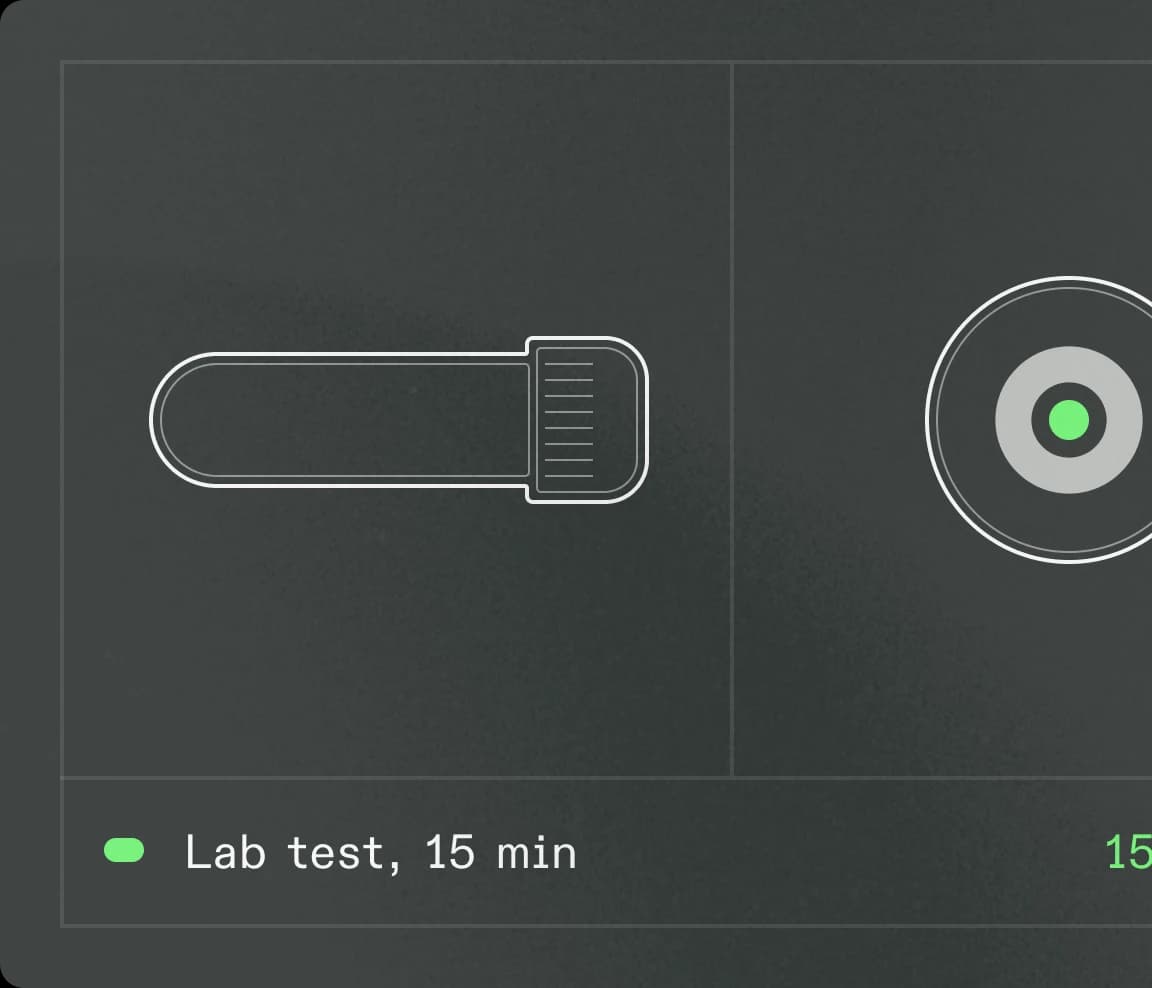
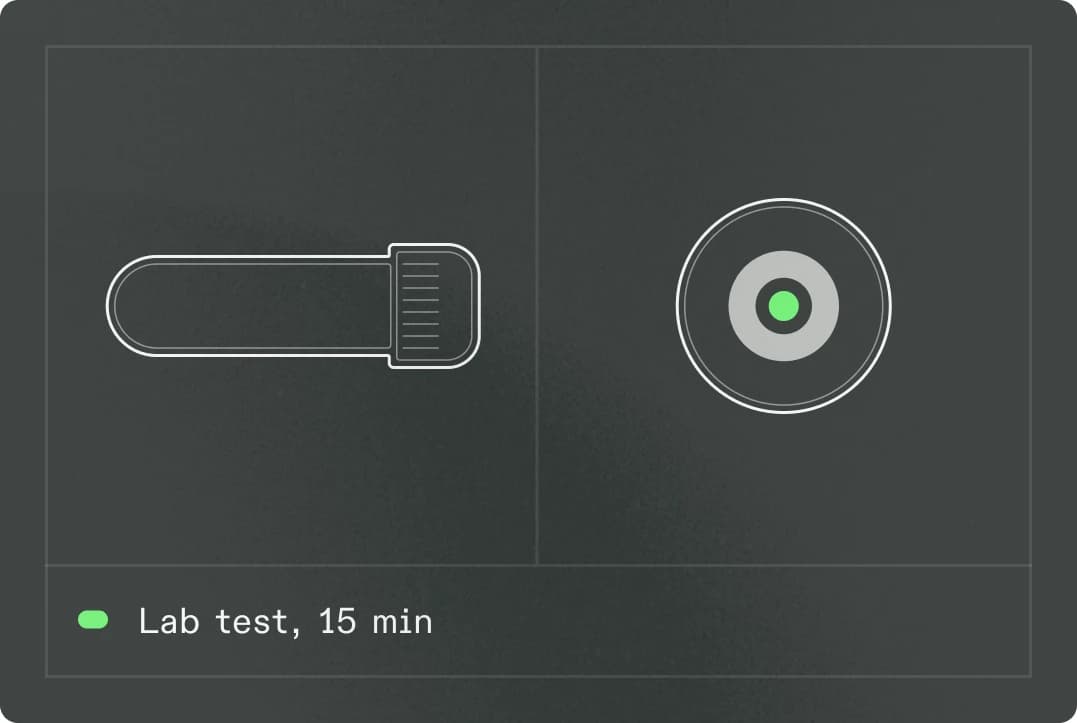
Measure your body systems
Through a comprehensive blood draw in one of our partner labs, we measure 60+ to 110+ biomarkers across body systems and reveal exactly where you stand for each

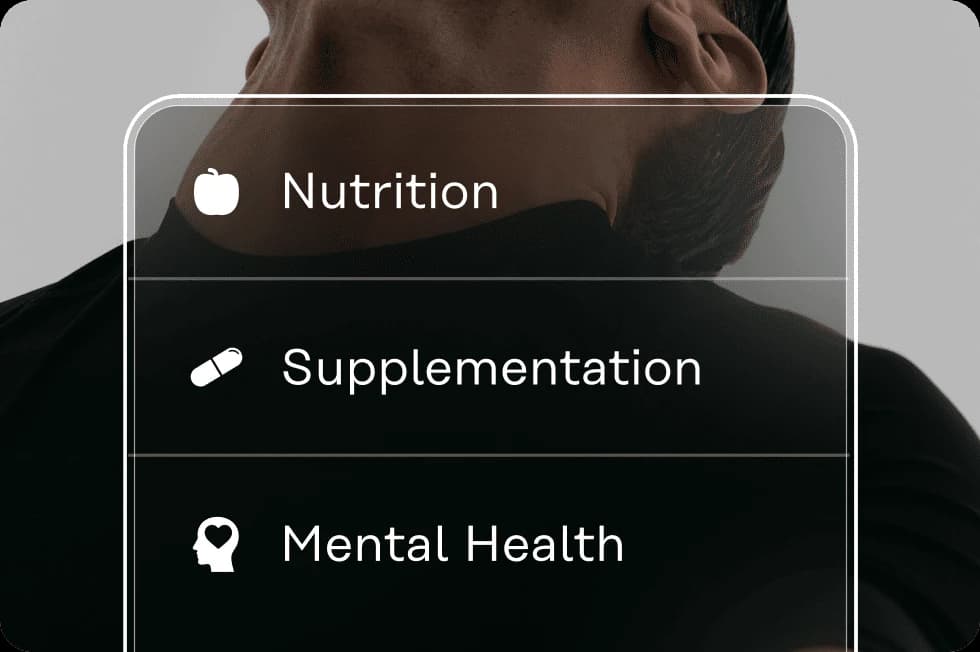
Get personalized actions
Your biomarkers unlock a personalized protocol with evidence-based actions tailored to your exact health data for measurable outcomes
Improve and re-test
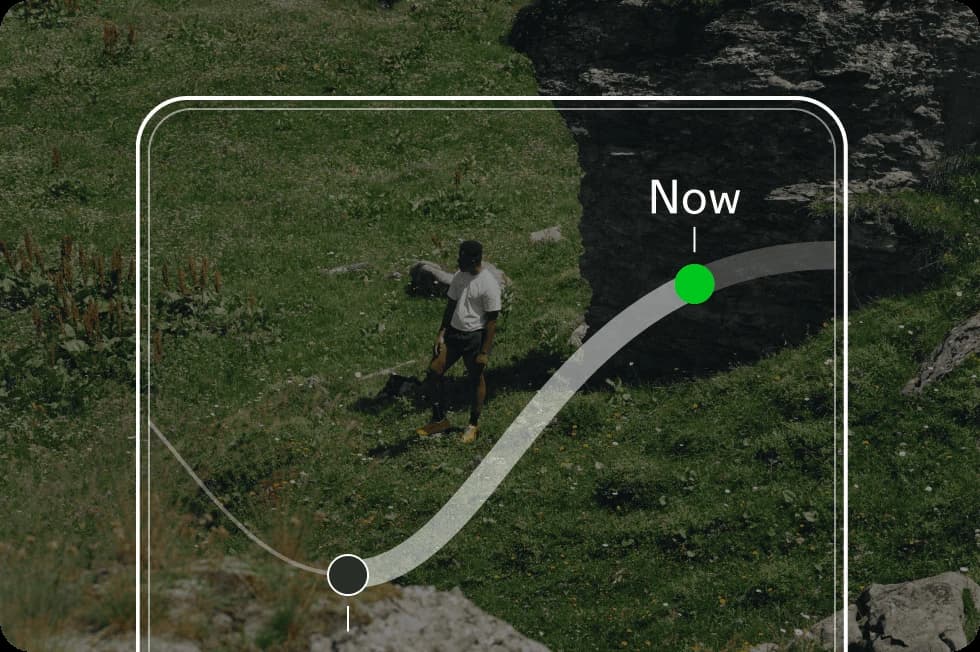
Track then retest within 3-6 months to validate your progress, see which actions worked, and continuously optimize your health for better healthspan
Whats happening biologically
Your indoor life is creating a nutrient deficit with systemic consequences. Vitamin D isn't just about bones. It's about immune function, mood regulation, muscle performance, and cellular energy production. Blood tests reveal exactly where your levels are, so supplementation hits the target instead of guessing.
Vitamin D: Your cellular performance enabler
Vitamin D is produced when sunlight hits your skin, but working from home with minimal outdoor exposure creates deficiency over time. Vitamin D receptors exist throughout your body: immune cells, muscle tissue, brain, thyroid. When levels drop, every system that relies on it starts underperforming. Think of it like a master key that unlocks multiple functions across your body.
When Vitamin D drops low, your immune system becomes less responsive. You catch every cold. Your muscles ache for no reason because they can't contract efficiently. Your mood flattens because neurotransmitter production slows. Meanwhile, parathyroid hormone (PTH) rises as your body tries to maintain calcium balance, pulling calcium from your bones. This creates a cascade of problems that all trace back to one missing nutrient.
Key insight: Low Vitamin D creates symptoms that mimic multiple different conditions. Fatigue, muscle weakness, frequent infections, and low mood all stem from the same root cause. Testing reveals whether your symptoms are connected by a single deficiency.
Bottom line: Vitamin D status reveals how well your immune function, bone health, mood regulation, and muscle performance are supported. At Lucis, we measure Vitamin D, calcium, PTH, WBC, and CRP. Not just whether you're deficient, but whether your levels are optimized for energy, immunity, and resilience.