Offer Page Hero Background

Your health, years from now, starts with what you do today.

Understand what your body needs, and know exactly where to start.

Lucis Care

41€

/month
Billed at 490€ annually
Blood ✓ Saliva ✓ Urine
2 tests/year ✓ 110 markers first test, 60 markers second test
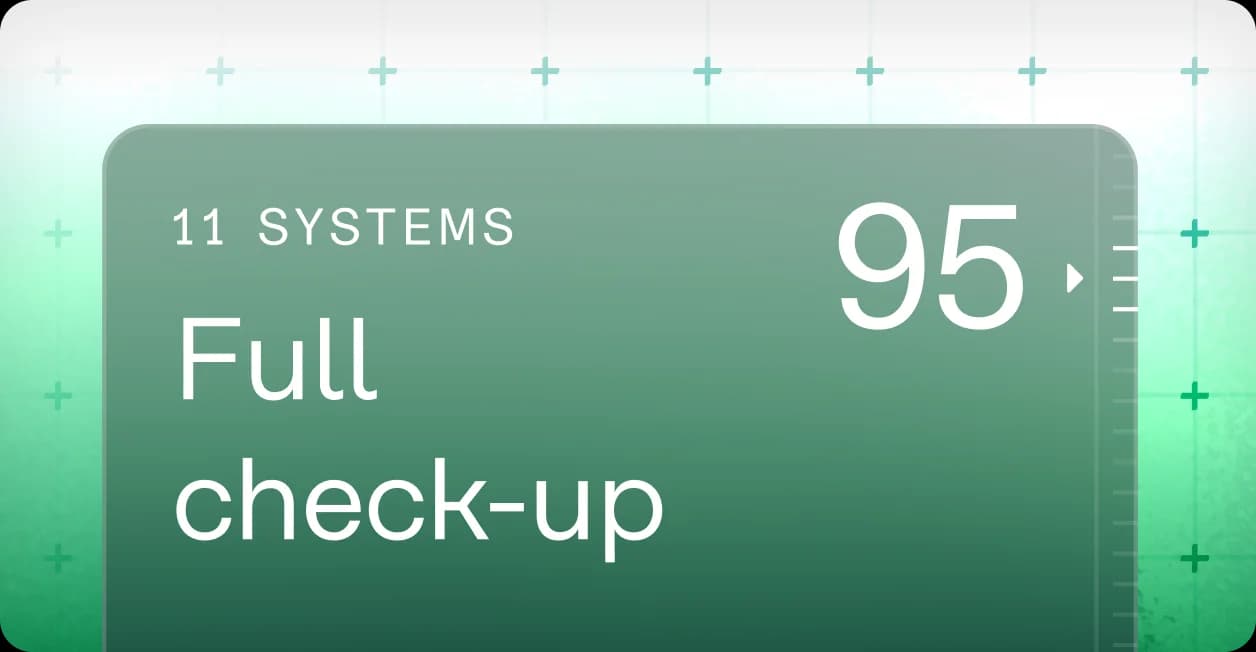
11 body systems
Wearable integration

All markers

Check out the lists of analyzed biomarkers, and your resulting personalized guidance.

grid
01
First wellness assessment

First wellness assessment

A first comprehensive test with over 100+ biomarkers analyzed.
100+ analyzed biomarkers
grid
02

Personalized action plan

Tailored recommendations based on your results to help improve your health.
5 pillars clearly defined
grid
03

Follow-up check

6 months after the first check, a second test to compare and track your progress.
60+ analyzed biomarkers
100+ full panel
60+ follow-up panel
Hormones22
Blood sugar & metabolism10
Inflammation & immunity13
Heart & cholesterol50
Vitamins & antioxidants8
Blood cells & iron16
Liver & digestion15
Kidneys12
Minerals & hydration6
Muscle, bone & recovery6
Whole-body scores1

Thyroid-Stimulating Hormone (TSH)

plus
Thyroid-Stimulating Hormone (TSH) is a chemical signal from the brain to the thyroid. Imagine your thyroid as a home heating system and TSH as the thermostat signal. When the body wants more heat and energy, the brain sends a stronger TSH signal. The thyroid then releases more thyroid hormones into the blood. When there is enough hormone, the brain eases off the TSH signal. If TSH stays very low, the signal to make thyroid hormone is weak and body processes can slow. If TSH stays very high, the brain pushes the thyroid hard and body processes can speed up. A balanced TSH signal keeps energy, temperature, heart rate, and mood steady.
SystemHormones

Thyroxine (T4) Free

plus
Thyroxine (T4) Free is the active thyroid hormone in your blood. Imagine it as tiny energy managers moving through a factory that is your body. Each manager visits cells and tells them how fast to work and how much fuel to burn. The thyroid makes T4, releases it, and some of it travels free, not tied to carrier proteins. Only this free part enters cells and turns on energy programs. Bound T4 rides on proteins as storage and transport. If free T4 runs low, the factory slows, and everything feels on low power. If free T4 runs high, the factory runs too fast and wastes fuel. Balanced free T4 keeps the factory steady and efficient.
SystemHormones

PSA (Prostate-specific antigen)

Men only
plus
PSA is a protein that acts like scissors in semen. Picture semen as a soft gel and PSA as the scissors that cut this gel so it turns more liquid. Prostate cells make PSA and release it into tiny ducts, where it helps semen loosen so sperm can move more freely. Small amounts also enter the blood, where a test can count how much is present. Very low PSA suggests less activity in prostate tissue, so the scissors work less often. Higher PSA suggests more active or irritated tissue, so more scissors leak into blood. A balanced PSA level points to steady tissue behaviour and stable local processes in and around the prostate.
SystemHormones

Triiodothyronine (T3) Free

plus
Triiodothyronine (T3) Free is the active thyroid hormone in your blood. Imagine it as tiny supervisors who tell each cell how fast to work. Each supervisor sets the pace for heat, energy, and how quickly your body uses fuel. The liver and thyroid gland release these supervisors, and only the free ones can enter cells and give direct orders. Bound hormone rides on carrier proteins and waits on the sidelines. Too little free T3 slows the supervisors’ orders, so cells move slowly and energy feels low. Too much speeds everything up and strains organs that manage heart rate and temperature. A balanced free T3 headcount keeps your energy, temperature, and organs in a steady, comfortable rhythm.
SystemHormones

Bioavailable Testosterone

Men only
plus
Bioavailable testosterone is the usable share of your testosterone. Picture all testosterone molecules as workers in a factory. Some workers sit locked in an office and cannot help on the floor. Others stand ready in the workshop and do the real jobs. Bioavailable testosterone counts the workers free on the floor, not locked away. The liver makes testosterone, and proteins in the blood carry it. A tight carrier holds some testosterone so firmly that cells cannot use it. A loose carrier and free testosterone stay available for action. Very low levels reduce support for muscles, bones, mood, and sexual function. Very high levels can unbalance other hormones and body systems. A steady middle range keeps body systems in smooth daily rhythm.
SystemHormones

Total Testosterone

plus
Total testosterone is the body’s main “go” signal for drive, muscle, and growth. Imagine it as a volume dial that turns body systems up or down. Each testosterone molecule works like a tiny messenger that carries clear orders. Glands release these messengers into the blood, and they travel to muscles, bones, skin, brain, and reproductive organs. Total testosterone counts all messengers in the blood, both free and tied to carrier proteins. When the count stays very low, the dial turns down and energy, strength, and drive can feel flat. When the count stays very high, the dial turns up and oil production, body hair, and mood swings can increase. A steady, balanced level keeps the dial in a comfortable middle zone.
SystemHormones

Estradiol

plus
Estradiol is a key estrogen hormone that acts like a master dimmer switch for many body systems. Imagine it as a light control that brightens or softens signals in cells. The ovaries, testes, and fat tissue make estradiol, then blood carries it to organs. Cells read its “brightness” and adjust growth, repair, and energy use. Some estradiol travels free, and some travels bound to carrier proteins, which limits how active it is. If estradiol stays very low, bones, brain, skin, and sexual function can slow down. If it stays very high, tissues that respond to estrogen can become overstimulated. A balanced estradiol headcount keeps cycles, bones, mood, and body composition steady.
SystemHormones

Luteinizing Hormone (LH)

plus
Luteinizing hormone is a signal that travels from the brain to the reproductive organs. Think of it as a timed text message that tells hormone‑producing cells when to step on the gas or slow down. The brain sends LH in pulses. Cells in the ovaries or testes read those pulses and adjust hormone production. When LH pulses rise at certain times, they trigger egg release or support sperm production. Very low LH means the messages are weak, so hormone output and timing drop. Very high LH means the brain keeps shouting, which can disturb smooth cycles. A balanced LH pattern keeps cycles regular, hormone levels steady, and long‑term reproductive function more predictable.
SystemHormones

Follicle Stimulating Hormone (FSH)

plus
Follicle Stimulating Hormone (FSH) is a chemical messenger from the brain. Think of it as a volume knob that turns up or down activity in the ovaries or testes. The brain makes FSH in the pituitary gland and sends it into the blood. FSH then tells ovarian follicles or sperm‑making cells how hard to work. When FSH is low, the brain sends a softer signal, and the organs respond less. When FSH is high, the brain turns the signal up to push the organs harder. The right balance keeps hormone cycles steady, egg development on track, and sperm production stable over time.
SystemHormones

DHEA-S

plus
DHEA-S is a hormone that works like a long-lasting fuel tank for other hormones. Think of it as a storage battery that helps power sex hormones over the day. The adrenal glands fill this battery and slowly release its charge into the bloodstream. Because DHEA-S stays in the blood for a long time, it gives a stable picture of this hormone supply. Very low levels suggest the battery runs low and may not fully support brain, bone, and muscle activity. Very high levels suggest the battery is overfilled and sends a stronger hormone signal than needed. Balanced levels keep this supply steady, which supports energy, mood, and body composition over time.
SystemHormones

SHBG

plus
SHBG is a protein that acts like a fleet of taxis for sex hormones. Each SHBG molecule is one taxi that can pick up hormones such as testosterone and estrogen. The liver makes these taxis and releases them into the blood. When many taxis are available, more hormones ride in the taxi and stay in storage. When fewer taxis circulate, more hormones travel freely and act on organs like skin, muscles, and brain. Total hormone shows all passengers, while SHBG hints how many ride free versus carried. If SHBG is very low, hormone action may feel stronger. If SHBG is very high, hormone action may feel weaker. A balanced SHBG level keeps hormone delivery steady and predictable.
SystemHormones

Morning cortisol level (T30)

plus
Morning cortisol level (T30) is a headcount of stress messengers in your blood. Picture a crowd of messengers rushing out from the adrenal glands after a wake‑up signal. This test counts how many show up about 30 minutes after that signal. Each messenger carries orders that tell your body how to use energy and handle strain. A simple hormone amount misses how many messengers are actually in the crowd. The headcount matters more than the total weight. If the count is too low, you may not send enough energy signals when the day starts. If the count is too high, your body may stay in “alert mode” for too long. A balanced count supports steady energy and calmer stress responses.
SystemHormones

Morning cortisol level (T0)

plus
Morning cortisol level (T0) is the headcount of cortisol messengers in your blood right after waking. Imagine a team of morning supervisors clocking in to start the day. Each cortisol molecule is one supervisor that gives orders to manage energy, stress, and daily rhythm. The brain signals the adrenal glands to send out this team before you wake. They tell liver, muscle, fat, and immune cells how active to be. Very low headcount means your body may start the day slow and underpowered. Very high headcount means your body may feel constantly on alert. A balanced morning cortisol level sets a steady pace for energy, mood, and stress handling through the day.
SystemHormones

Cortisol awakening response (CAR)

plus
Cortisol awakening response is a measure of how sharply cortisol rises soon after waking. Imagine a morning “start-up signal” that turns on lights in an office. The body sends out cortisol like a wave of switches flipping on as you wake. The brain triggers glands to release cortisol, which travels in blood and helps switch on energy use and attention. A stronger rise means more switches turn on quickly. A weaker rise means fewer switches turn on, or they turn on slowly. Very low responses may relate to feeling flat or slow to start the day. Very high responses may feel like a strong jolt. A balanced response supports steady energy, focus, and daily rhythm.
SystemHormones

PSA free

Men only
plus
PSA free is a blood protein that comes mainly from the prostate. Imagine the prostate as a small factory that sends tiny workers into the bloodstream. Some workers travel alone, and some travel while holding a partner’s hand. PSA free counts the workers moving alone. The body makes and clears this protein all the time. If the factory sends out too few free workers, most PSA travels bound to partners. If it sends out many free workers, more PSA moves unbound. A balanced share between free and bound PSA suggests steady factory activity. This balance supports smooth urine flow and comfort in the lower pelvis over time.
SystemHormones

Free PSA ratio

Men only
plus
Free PSA ratio is the share of your total PSA that travels unbound in the blood, expressed as a percentage of total PSA. It refines the interpretation of an elevated total PSA: a higher free share points to benign prostate tissue, while a lower free share warrants closer follow-up. It is an inverted marker — higher is better.
SystemHormones

Free Androgen Index (FAI)

plus
Free Androgen Index is a score that estimates active testosterone. Imagine testosterone molecules as workers and a transport protein as buses. Some workers ride the buses and stay busy, while others walk free and act directly. FAI compares how many workers walk free to how many ride the buses. The liver makes the buses and also clears them, so balance matters. A very low FAI means fewer active hormone “workers” on the ground. A very high FAI means many active workers and faster traffic in hormone-sensitive tissues. A balanced FAI means your hormone traffic runs smoothly, with enough activity but not overload.
SystemHormones

Free Testosterone

Men only
plus
Free testosterone is the share of testosterone that travels free in the blood. Think of all testosterone molecules as workers and free testosterone as those not tied to desks. These free workers move quickly into cells and switch on important jobs. The liver, fat tissue, and other organs make or clear testosterone workers. Some bind to carrier proteins and stay parked, while free ones enter tissues like muscle, bone, skin, and brain. Very low free testosterone means fewer active workers on the floor, so several body functions slow down. Very high levels mean too many workers pushing systems hard. A balanced free testosterone level keeps body shape, energy, mood, and sexual function in a steady zone.
SystemHormones

Total Testosterone / Estradiol ratio

Men only
plus
Total Testosterone / Estradiol ratio is a way to check balance between two main sex hormones. Think of them as two partners sharing control of the same car. Testosterone presses the accelerator for strength, muscle, and drive. Estradiol works the brakes and steering for bones, mood, and body shape. The ratio compares how many testosterone “drivers” act against estradiol “drivers” at the same time. If the ratio is too low, estradiol influence dominates and muscle building and energy can drop. If the ratio is too high, testosterone influence dominates and body fat handling and comfort can shift. A balanced ratio keeps body tissues, mood, and metabolism running smoothly together.
SystemHormones

Free Testosterone / Total Testosterone ratio

Men only
plus
Free Testosterone / Total Testosterone is a ratio that shows how much of your testosterone is free to work in your body. Think of all your testosterone as workers and this ratio as the share that is actually on the job. The liver and blood proteins hold many testosterone workers in reserve. Free testosterone workers move around and act in muscles, brain, bones, and skin. A low ratio means many workers stay tied up and fewer handle daily tasks. A high ratio means many active workers at once, which can push some systems hard. A balanced ratio keeps enough active workers available without overloading your body.
SystemHormones

Progesterone

plus
Progesterone is a signaling hormone that acts like a timing coach for the reproductive system. Imagine a project manager who prepares rooms, sets schedules, and coordinates team shifts. Progesterone gives cells clear instructions about when to grow, rest, and prepare for possible pregnancy. The ovaries, adrenal glands, and in pregnancy the placenta, release it in planned waves. Low levels mean the coach gives fewer instructions, so timing for the uterus, brain, and breasts changes. High levels mean very strong signals, which can shift appetite, temperature, and fluid balance. A balanced progesterone pattern keeps cycles regular, supports brain calm, and helps other hormones stay in sync.
SystemHormones

LH / FSH ratio

Women only
plus
LH / FSH is a way to compare two partner hormones. Think of them as two messengers that carry instructions from the brain to the ovaries or testes. The pituitary gland sends LH and FSH like timed letters that guide egg development, ovulation, and sperm production. FSH works more like the planner that helps eggs or sperm grow. LH acts more like the trigger that pushes them toward release and hormone production. Very low signals may mean the brain sends fewer letters, so development slows. Very high signals may mean the brain keeps shouting to get a response. A balanced LH / FSH ratio suggests smooth communication and more stable reproductive function.
SystemHormones
Background
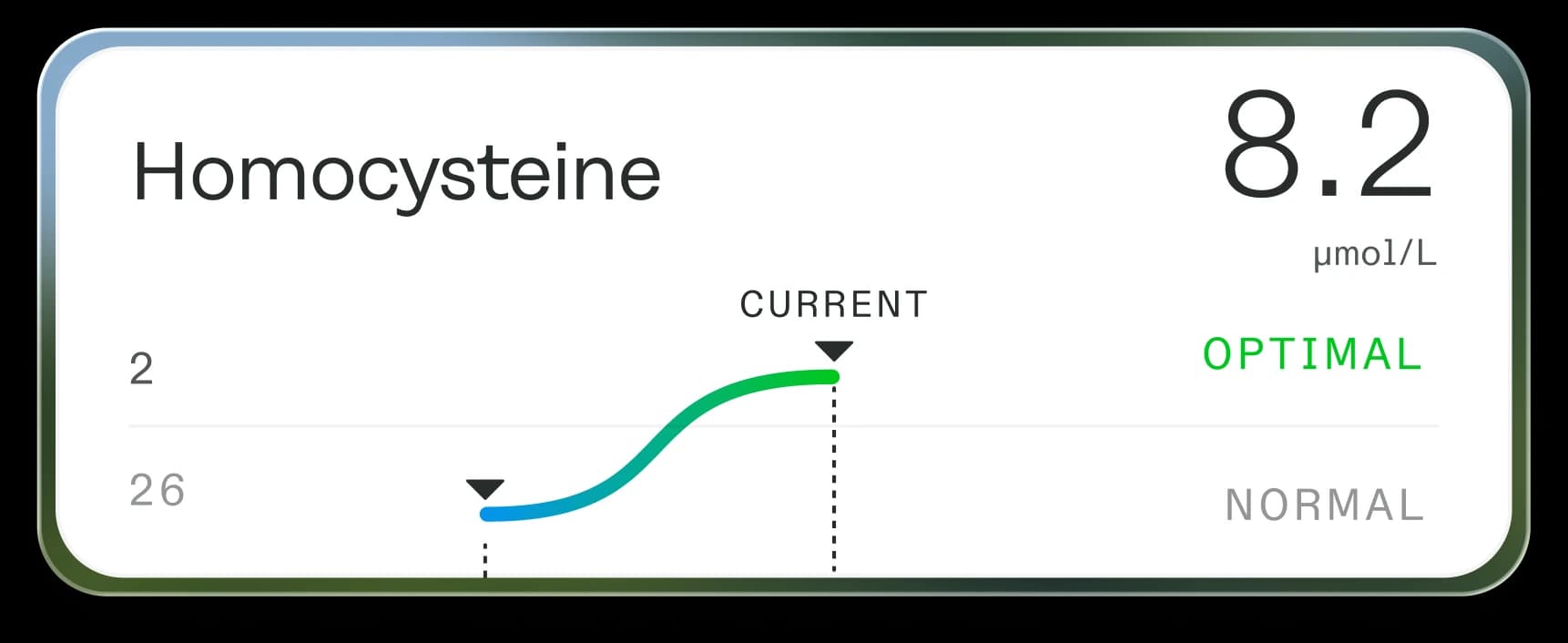
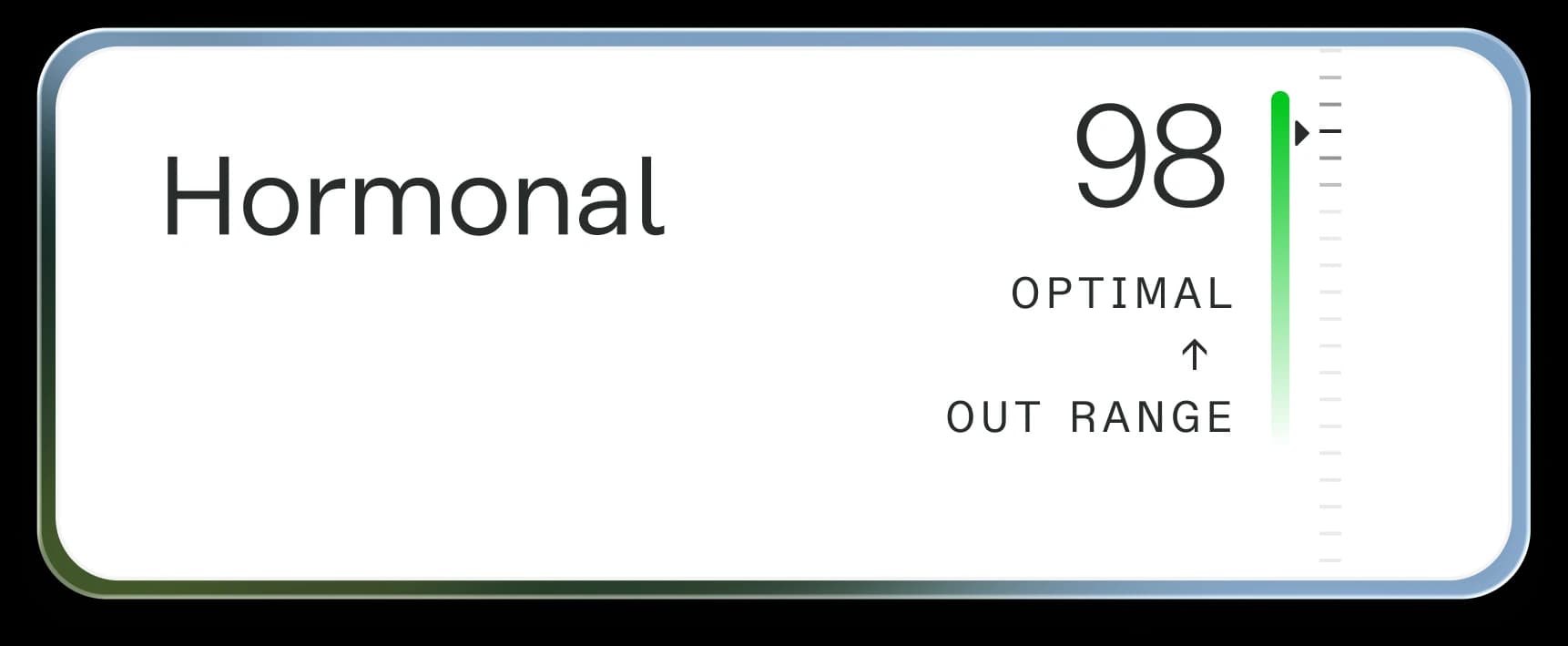
HomocysteineHormonal
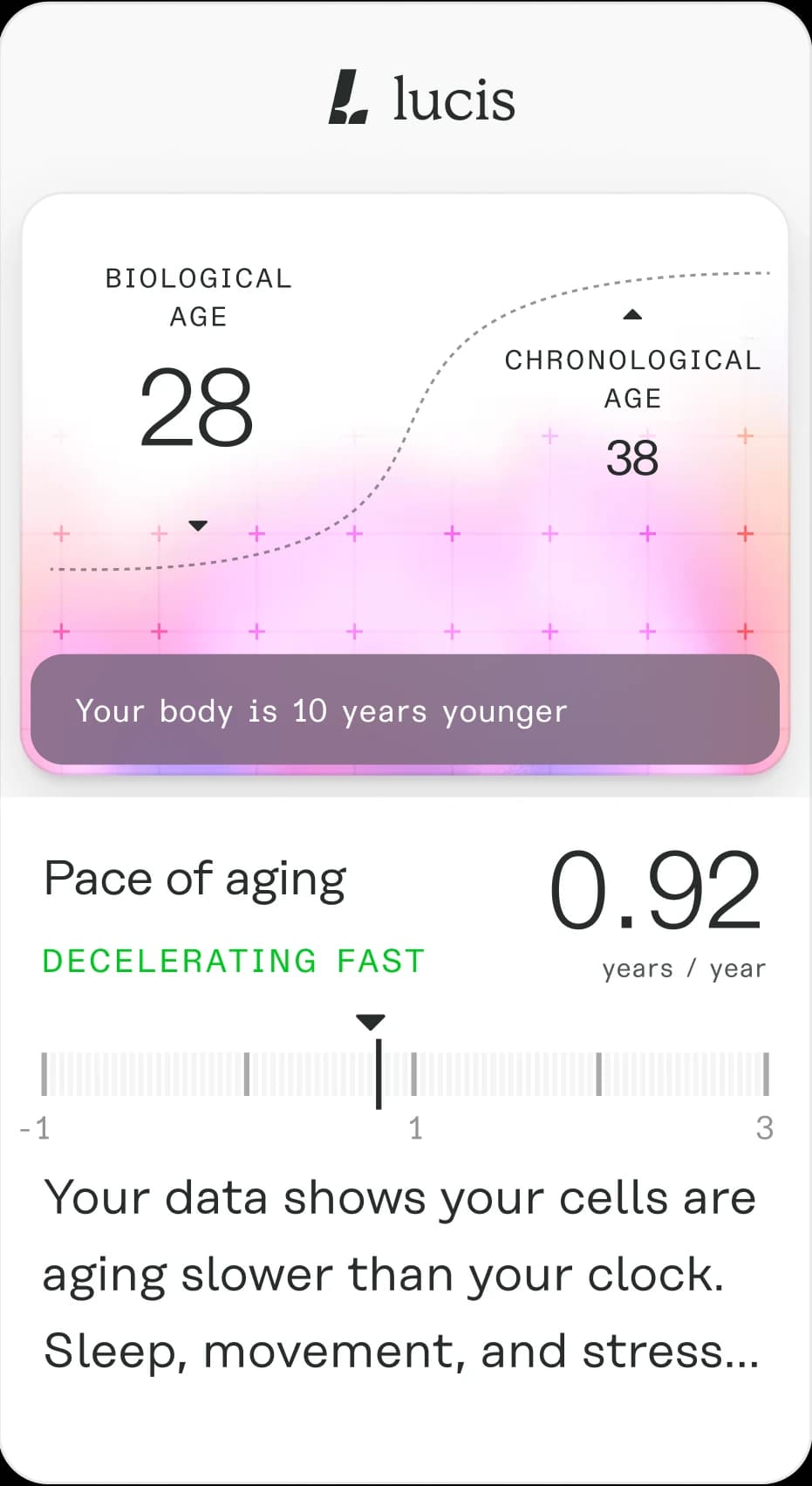
AgeTreatScore

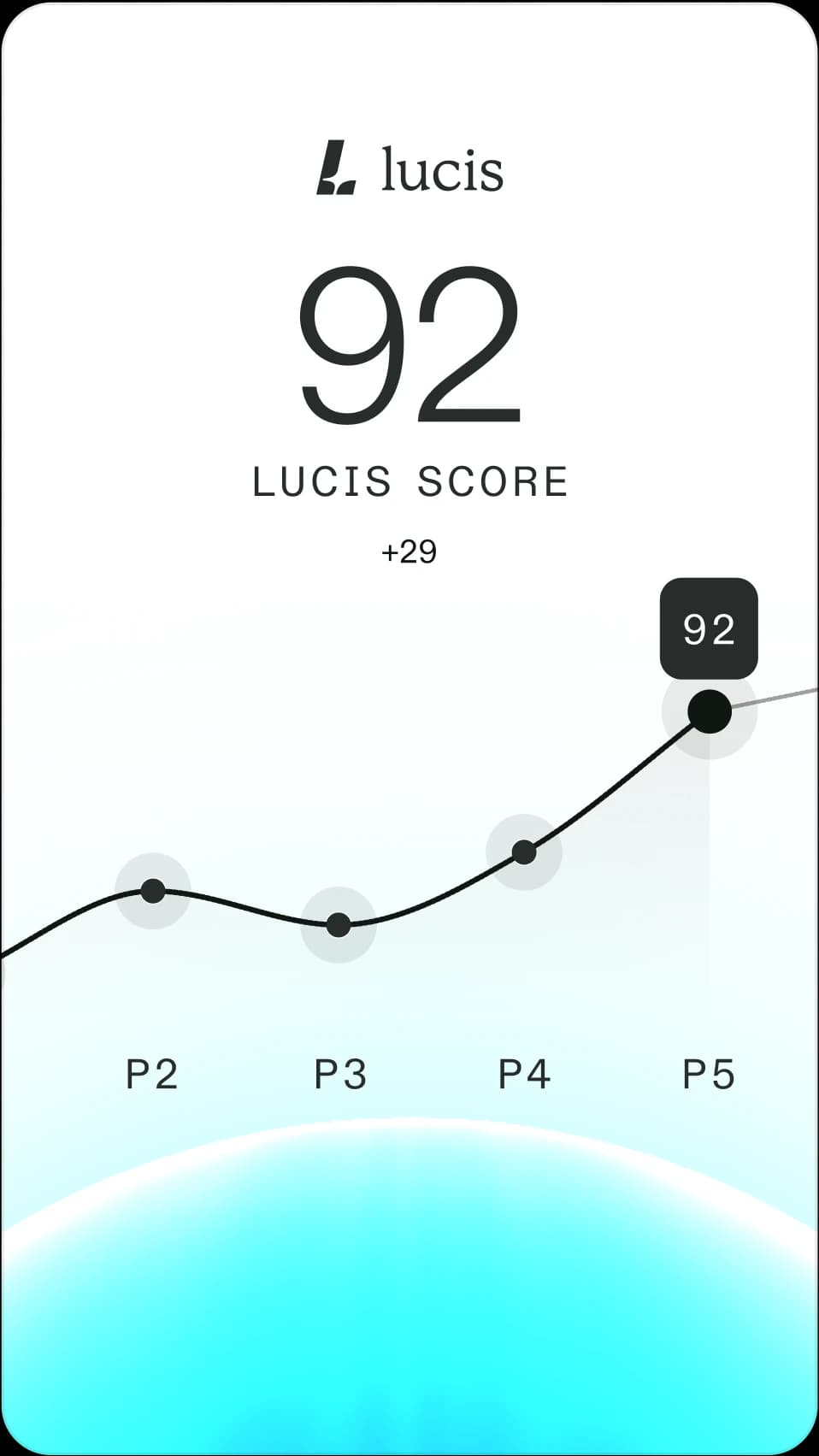
Know what to change, and how to start from day one.

Is my report ready?

Lucis Ball

Yes, I updated it from your last blood results and data gathered with your other sources

DISCOVERY #1

Marc, the discipline is paying off.

Your CRP dropped 34% since January while your daily steps held above 9,000. Sustained movement at that threshold is what triggers systemic inflammation suppression.
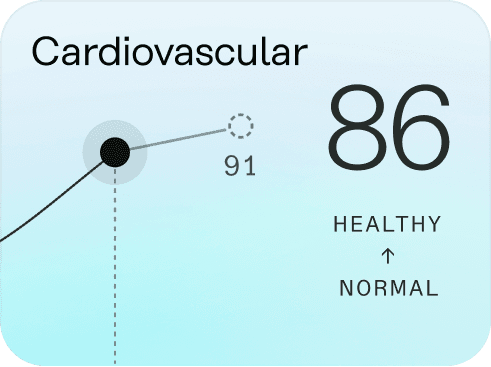
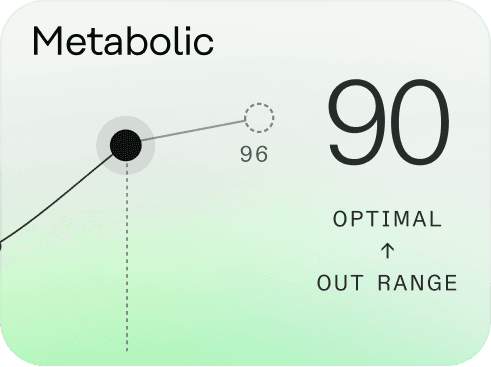
CardioMetabolic
Goal

Your weekly actions

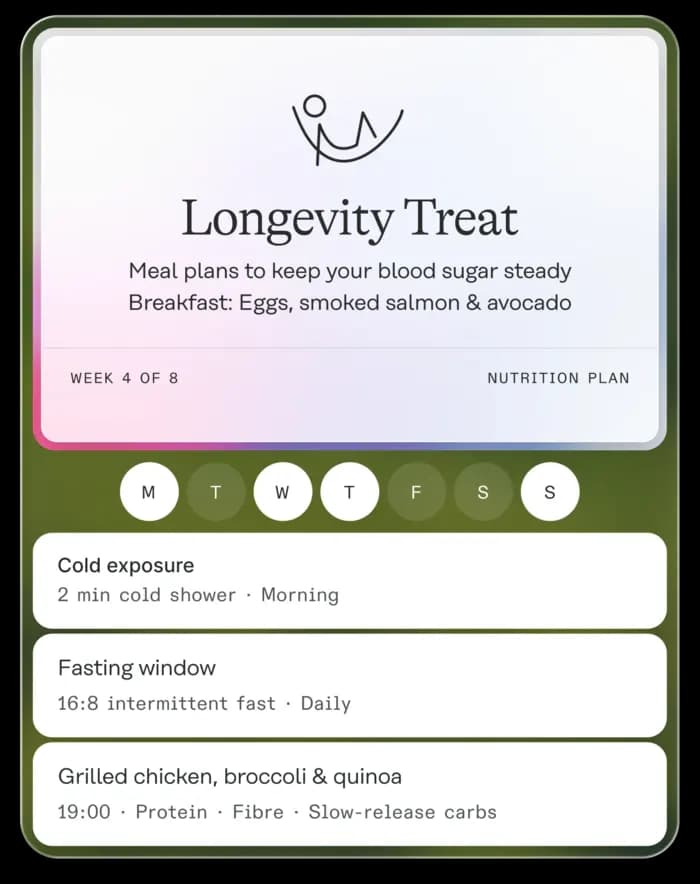
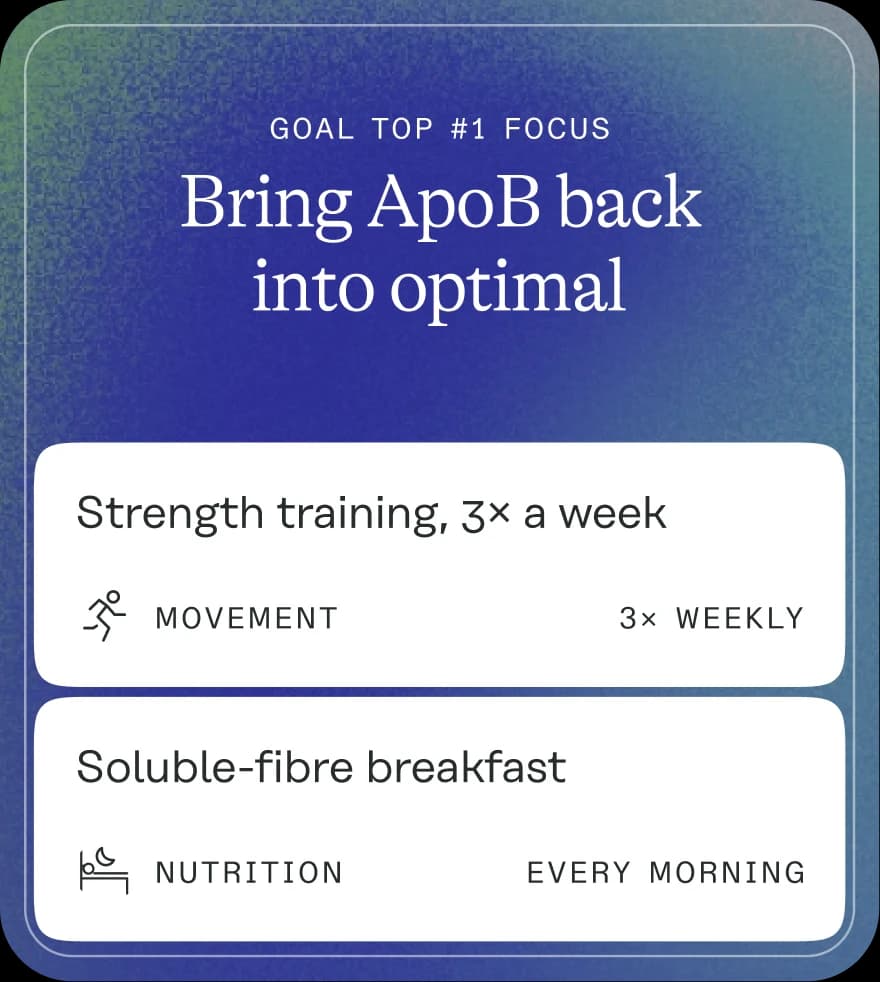
A protocol built around your results, your habits, and your goals. Recommendations grounded in what your body actually showed, updated every time you retest.

iPhone with actions

Discuss about it, anytime

A question at midnight. A doubt after dinner. Something you read and want to check against your results. Your companion knows your biology, your history, and your goals.

Your body has its own priorities. Test what matters to you.

Browse add-ons

Already a member? Open the marketplace

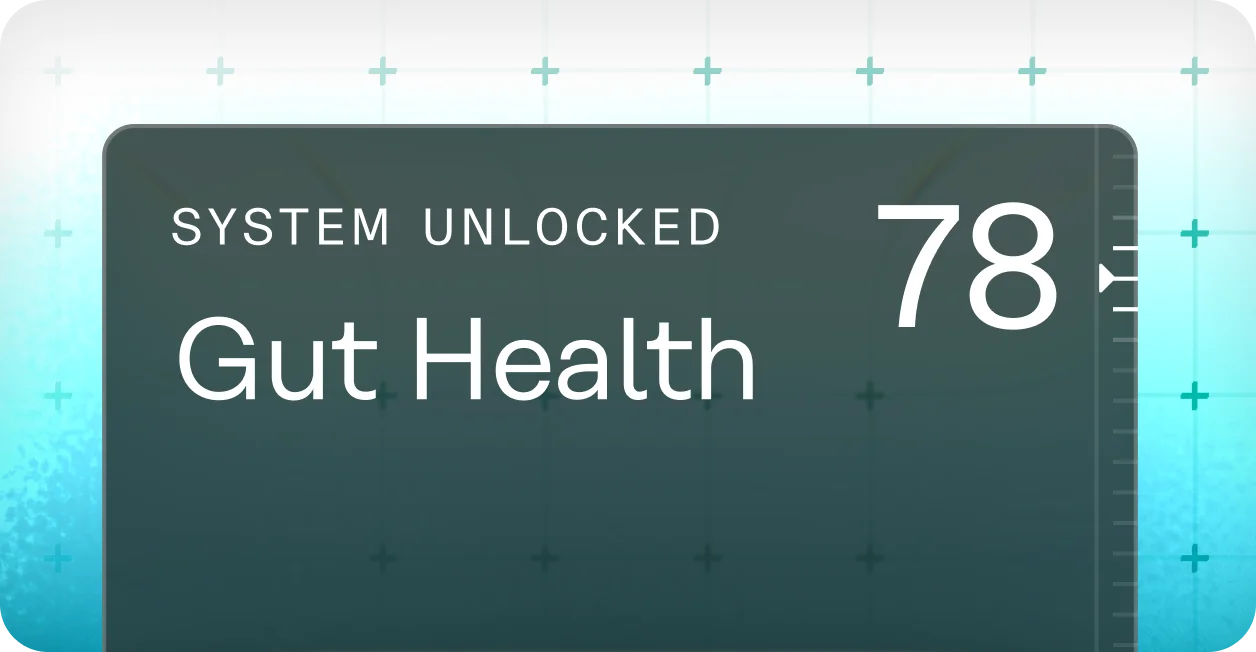
Find out what's really going on in your gut.GUT MICROBIOME PANEL
See if your cells are keeping up.OXIDATIVE STRESS PANEL
Know what's building up inside you.ENVIRONMENTAL TOXICOLOGY
Upgrade to a full panel after 6 months of progressADDITIONAL FULL LUCIS PANEL
Find out what's really going on in your gut.

Find out what's really going on in your gut.

Your digestion, your immunity, and your energy all start here. This panel maps the diversity of your gut bacteria and shows you what's thriving, what's missing, and what to do about it.

See if your cells are keeping up.

See if your cells are keeping up.

Oxidative stress accelerates ageing and drains your energy at the cellular level. This panel measures whether your defences are matching the damage, and where the gaps are.

Know what's building up inside you.

Know what's building up inside you.

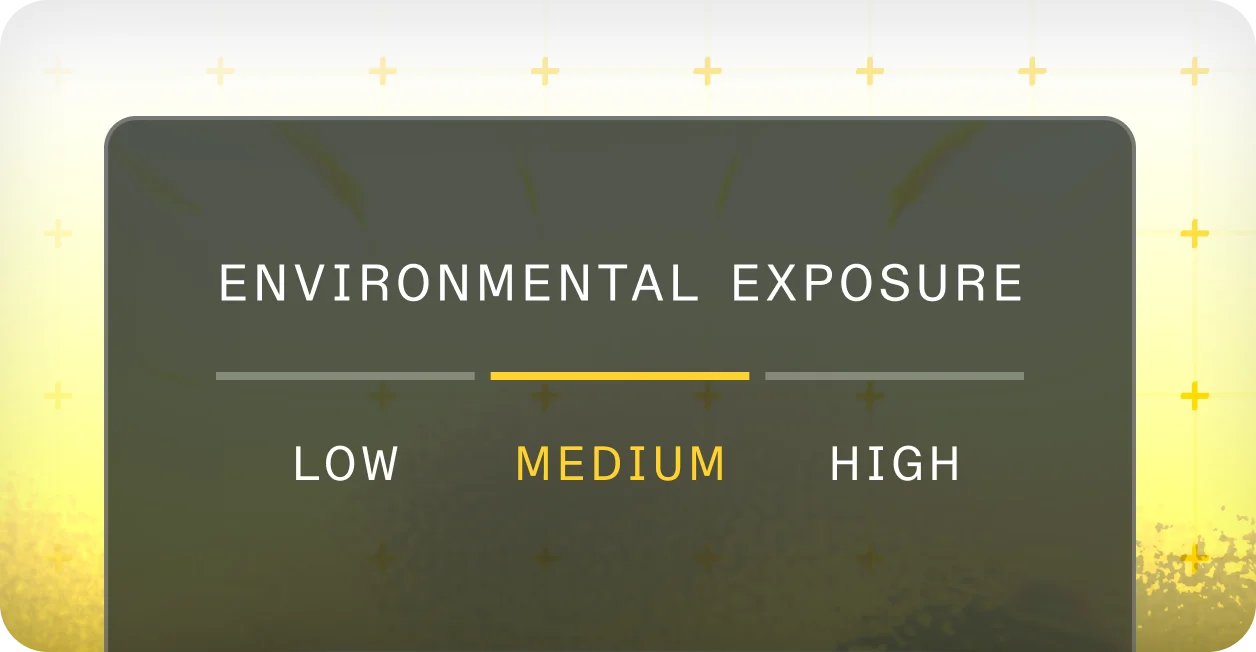
Heavy metals, pollutants, endocrine disruptors. They accumulate silently from your environment. This panel shows you what's there so you can reduce your exposure and support your body's ability to clear it.

Upgrade to a full panel after 6 months of progress

Upgrade to a full panel after 6 months of progress

Upgrade the follow-up test from 60 to 100+ biomarkers across all major body systems, including cardiovascular function, hormones, metabolic function, vitamins, and liver and kidney function.
Find out what's really going on in your gut.
See if your cells are keeping up.
Know what's building up inside you.
Upgrade to a full panel after 6 months of progress

This isn't about one test. It's about how you want to feel for the rest of your life.

© Lucis 2026. All rights reserved.